

Characterized by the need for agility and efficiency to drive competitive advantage, virtual assistant solutions have emerged as a fundamental component of modern business management.
Once regarded solely as administrative support providers, virtual assistants (VAs) have evolved into strategic partners. They help founders, executives, and teams effectively prioritize growth while minimizing operational bottlenecks.
A Research and Markets study indicates that the global virtual assistant market is expected to grow from $5.26 billion in 2025 to $13.98 billion by 2032.
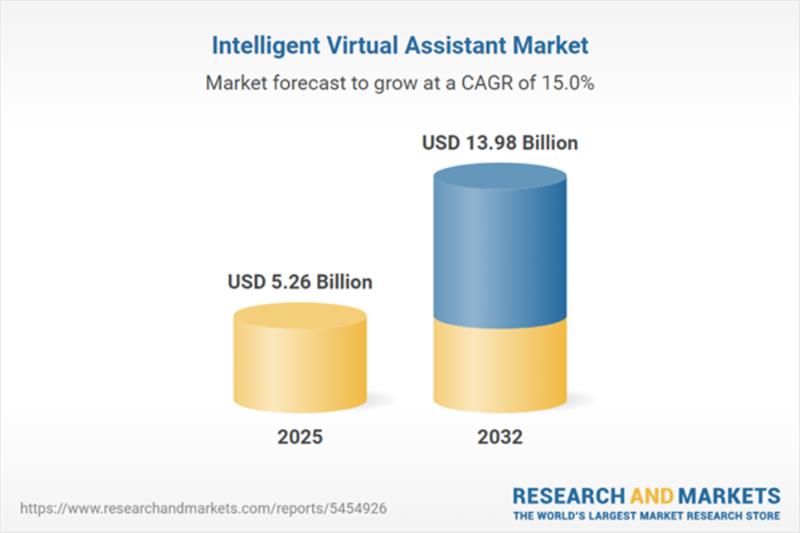
This projection underscores the swift adoption of intelligent VA solutions by organizations. For founders managing a myriad of responsibilities, this trend extends beyond mere task outsourcing; it signifies the adoption of a more innovative methodology for business operations.
At Simpalm Staffing, efficiency is not a luxury but a daily discipline. Let’s explore how virtual assistants are redefining business management and why every growth-oriented company should be rethinking its workforce model.
What Are Virtual Assistant Solutions?
A virtual assistant (VA) is a remote professional who provides administrative, operational, or specialized support services to businesses and entrepreneurs. However, virtual assistant solutions go beyond task delegation; they are structured systems that seamlessly integrate skilled professionals into your business workflow.
These solutions can cover:
- Administrative tasks: Calendar management, travel arrangements, and email handling.
- Operational support: Data entry, documentation, workflow optimization.
- Specialized roles: Marketing support, bookkeeping, paralegal, and customer service.
Unlike traditional in-house roles, VAs work remotely, offering both scalability and flexibility without the overhead costs of a full-time hire.
Why Virtual Assistant Solutions are Transforming Business Management
The virtual assistant business model thrives because it solves a universal pain point: the scarcity of time. Entrepreneurs often wear multiple hats—CEO, marketer, HR manager, and financial controller —while driving innovation. Delegating repetitive or time-consuming tasks to VAs creates the mental and operational space needed to focus on strategic initiatives.
The real value of VAs lies in their ability to streamline business management. Here’s how:
1. Time is the New Currency
Leaders often spend 40% of their workweek on tasks that could be delegated. With a dedicated virtual assistant, that time is reclaimed for strategy, growth, and leadership.
2. Flexibility Without Risk
Hiring full-time staff involves long-term commitments, payroll taxes, and other overhead expenses. VAs bring scalable support models, letting businesses ramp up or down as needed—especially valuable for seasonal or project-based demands.
3. Cost-Effective Excellence
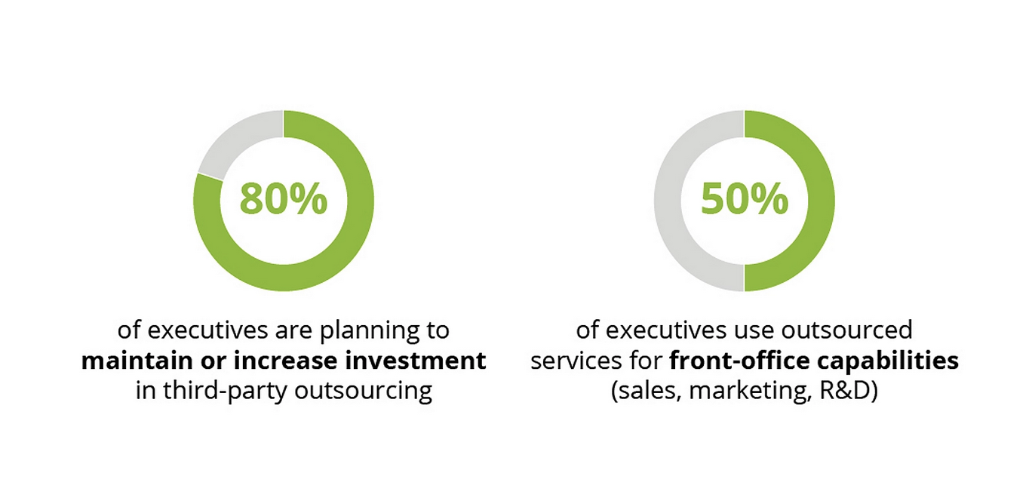
A 2024 Deloitte study found that 80% of executives plan to maintain or increase outsourcing, while 50% executives use outsourced services for front-office work. VAs help maintain cost-effectiveness and boost productivity.
4. Global Talent, Local Impact
A Gallup survey found that 39% of small-business owners work more than 60 hours per week. Yet over half of these hours are spent on administrative duties. By engaging a VA, businesses can redirect this time toward revenue-generating activities, investor relations, or long-term planning.
In other words, businesses that hire virtual assistants empower leaders to do what they do best: innovate, lead, and grow – cost-effectively.
The Role of a Dedicated Virtual Assistant
When efficiency is the goal, a dedicated virtual assistant becomes a game-changer. Unlike ad-hoc freelancers, dedicated VAs work consistently with one client or company, developing deep familiarity with organizational workflows, communication styles, and priorities.
Some of the advantages of a dedicated VA include:
- Consistency: They become an extension of your internal team.
- Trust: Over time, they learn your preferences and anticipate your needs.
- Productivity: Delegating effectively can increase productivity by up to 30%.
- Scalability: As your business grows, your dedicated VA can expand their scope of responsibilities or help onboard additional support.
Think of them as your behind-the-scenes partner who ensures nothing slips through the cracks.
Virtual Executive Assistants: Strategic Allies in Leadership
While entry-level VAs handle administrative tasks, a virtual executive assistant (VEA) operates at a higher level. These professionals support senior leaders, founders, and executives by managing high-stakes responsibilities such as:
- Board meeting preparation and documentation
- Investor communication and reporting
- Contract and vendor management
- Travel planning and logistics
- Project coordination across teams
For executives burdened with constant decision-making, having a virtual executive assistant is like having a command center that filters distractions and ensures priorities align with business goals.
Research from the Harvard Business Review indicates CEOs devote an overwhelming 72% of their time to meetings, significantly restricting their opportunities for critical strategic reflection. This imbalance highlights the need for a more efficient time management approach to foster innovative thinking and long-term planning.
A Virtual Executive Assistant (VEA) can help alleviate this burden by managing schedules, preparing briefings, and allowing leaders to focus more on driving their vision rather than getting bogged down in logistics.
Debunking Common Myths About Virtual Assistant Solutions
Despite their growing popularity, several myths still create perceptions about virtual assistant solutions:
- Myth 1: VAs are only for startups or small businesses.
- Reality: Corporations and Fortune 500 companies now rely heavily on VAs for cost savings and agility.
- Myth 2: VAs lack the expertise of an in-house staff.
- Reality: Many VAs bring years of experience in executive support, marketing, or specialized industries and can perform better than an in-house employee.
- Myth 3: Managing a VA is too tricky.
- Reality: With today’s collaboration tools (Slack, Zoom, Asana, etc.), managing remote staff is seamless and even more efficient.
- Myth 4: VAs are temporary solutions.
- Reality: Dedicated, executive-level, and specialized VAs often stay with organizations for years, building institutional knowledge.
Dispelling these myths is crucial for founders seeking to modernize their workforce strategy.
How Virtual Assistant Solutions Drive Efficiency Every Day
The art of business management lies not just in working hard but in working smart. Virtual assistant solutions optimize daily operations by:
- Automating the routine – Allowing leaders to focus on creativity and strategy.
- Cutting costs – Businesses can save up to 78% in operating expenses annually by hiring virtual assistants instead of full-time staff (SmallBizGenius).
- Enhancing flexibility – VAs work across time zones, ensuring 24/7 productivity for global operations.
- Improving decision-making – With accurate data entry, research, and reporting, leaders can make faster, smarter decisions.
Why Simpalm Staffing for Virtual Assistant Solutions?
At Simpalm Staffing, we go beyond simply connecting you with virtual assistants. We match your business with professionals who understand your industry, your challenges, and your growth aspirations. Whether you need a dedicated virtual assistant to manage your daily operations or a virtual executive assistant to support high-level leadership, we provide talent that becomes an integral part of your team.
Our approach is rooted in three principles:
- Quality: Only vetted, trained professionals join your workflow.
- Scalability: Start small, scale big – our staffing grows with you.
- Trust: Transparent processes and fostering long-term relationships.
Final Thoughts: Rethinking Efficiency in Business Management with VA
The modern business model demands agility, innovation, and smart resource allocation.
While virtual assistant solutions represent more than just an outsourcing trend, they are a transformational force that empowers leaders to reclaim time, streamline operations, and maximize growth.
Efficiency every day is not about doing more; it’s about focusing on what truly matters.
As the future of work is hybrid, flexible, and powered by strategic partnerships like those built with virtual assistants, the question is no longer “Should you hire a VA?” but rather “Can your business afford not to?”